
Final Recommendations of the Church Endowments Administration Conference
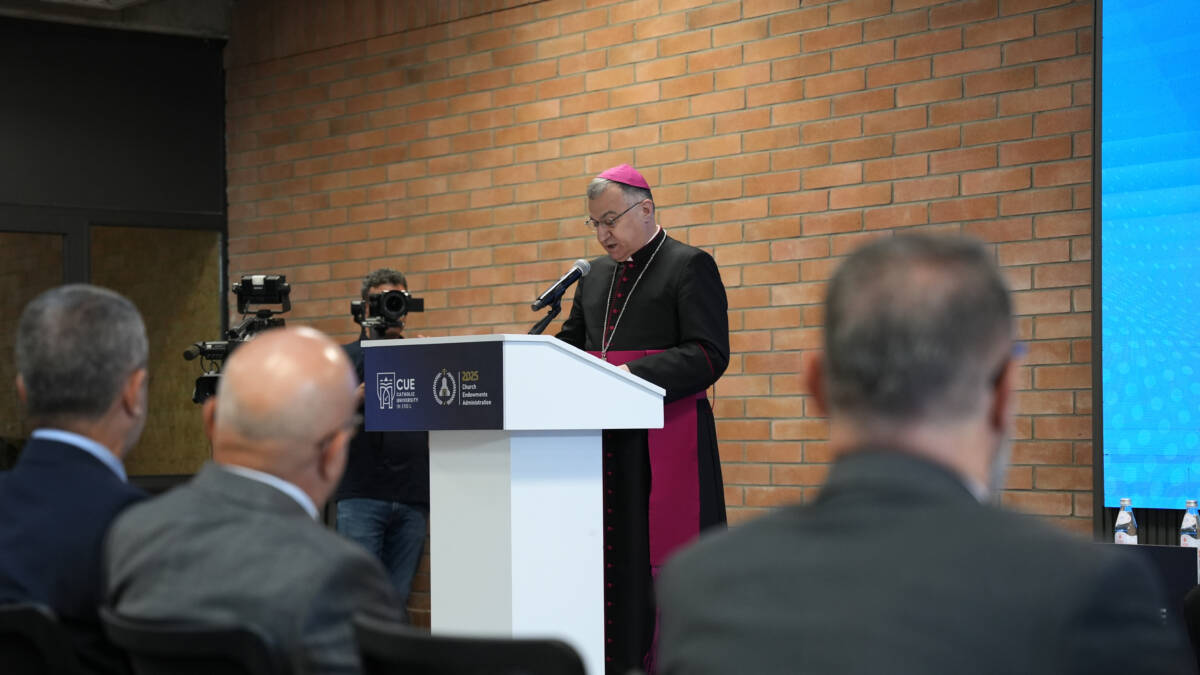
Church Endowments Administration Conference
Catholic University in Erbil – Iraq
May 26–28, 2025
Introduction
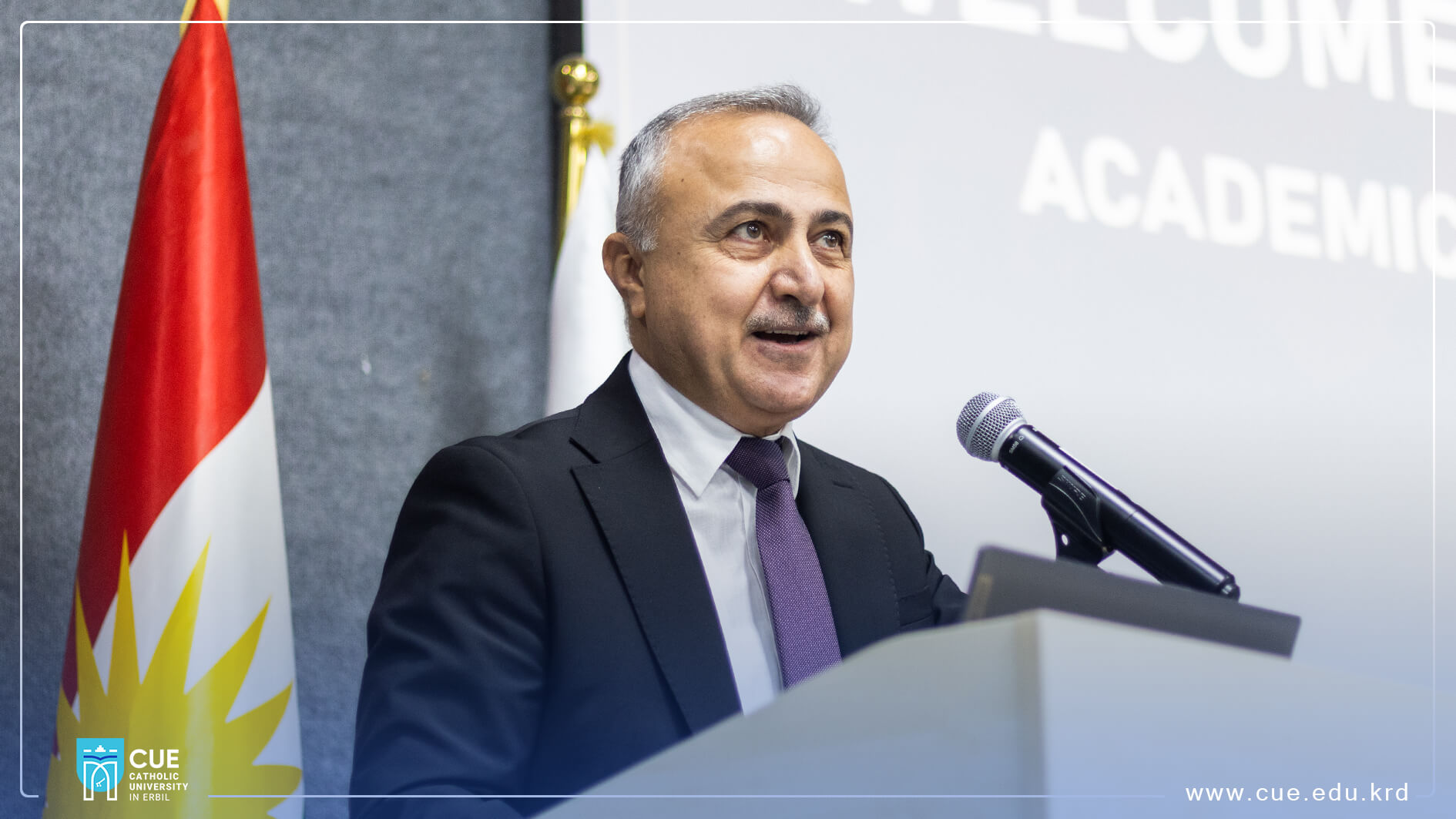
Driven by the urgent need to establish a legal framework for managing church endowments that respects religious particularities and safeguards the independence of church institutions, this conference was held at the Catholic University in Erbil. It was attended by judges, legal and ecclesiastical experts, and representatives of Christian denominations from inside and outside Iraq, notably from Egypt, Syria, Jordan, and Lebanon, who brought specialized expertise in endowment administration.
The conference affirms that the discussions and deliberations led to essential conclusions requiring swift legislative, executive, and judicial actions. These steps are grounded in Article 43, paragraph (b) of the Constitution of the Republic of Iraq, which explicitly guarantees “the right of religious communities to organize their affairs, such as places of worship, religious institutions, and the administration of endowments and religious matters, freely and independently.” This constitutional provision forms the basis for enacting a dedicated law for church endowments.
First: At the Legislative Level
The conference recommends that the Endowments and Religious Affairs Committee of the Iraqi Council of Representatives begin drafting a law specifically governing the management of endowment funds belonging to Christian communities. This should be done in direct consultation with the relevant spiritual leadership. The draft law should include the general principles agreed upon by all denominations, while the detailed rules should be tailored to each denomination’s legal and religious framework.
The conference emphasizes that passing this law is not merely an administrative or organizational option, but a binding constitutional obligation. The legislative authority must uphold this legal right of Christian communities and protect their assets from interference or encroachment.
Second: At the Academic Level
The conference recommends that the Catholic University in Erbil organize a series of workshops and regular meetings involving church and legal specialists. The goal is to prepare a draft of a model law that reflects ecclesiastical principles and the spirit of the Iraqi Constitution, serving as a reference document for the competent authorities.
Third: At the Executive Level
- The conference calls on both the federal Council of Ministers and the Council of Ministers of the Kurdistan Region of Iraq to activate Article 12 of Law No. 58 of 2012 on the Endowment Bureau for Christian, Yazidi, and Sabean-Mandaean Communities. This article grants absolute exemption of these communities’ endowment funds from all taxes and fees, recognizing that these funds are charitable and non-profit in nature. The law’s explicit language leaves no room for restrictive interpretations, requiring its direct application without further deliberation.
- The conference recommends that the executive branch adopt the draft law on managing Christian endowments and submit it to the legislative branch for enactment, in view of the urgent legal, social, and ecclesiastical needs.
Fourth: At the Judicial Level
The conference calls for the activation of Articles 11 and 13 of Judicial Statement No. 6 of 1917, which stipulate that endowment-related matters and associated rights of officially recognized non-Muslim communities in Iraq fall under the personal status law and customs of each respective community. Consequently, endowment matters must be referred to the spiritual leadership of the relevant community for resolution before judicial rulings are issued.
The conference stresses the necessity of recognizing and certifying decisions by spiritual leadership through the competent court, in accordance with Articles 16 and 17 of the same statement. This ensures that property registration laws, civil endowment laws, trustee regulations, or civil law are not applied to church endowments, as these are governed by a spiritual and ritual framework with distinct religious particularities.
Conclusion
The recommendations reached by this conference constitute a practical and constitutional roadmap to protect and preserve church endowments from legal or administrative marginalization. This conference marks the first step in a comprehensive legislative process to restore to Christian communities in Iraq their rightful place and authority in managing their endowments freely and independently, in line with constitutional guarantees and recognized legal and religious norms.
Share
Search
Latest News


Categories
Follow Us
