
Healing Through Literature: The Power of Bibliotherapy

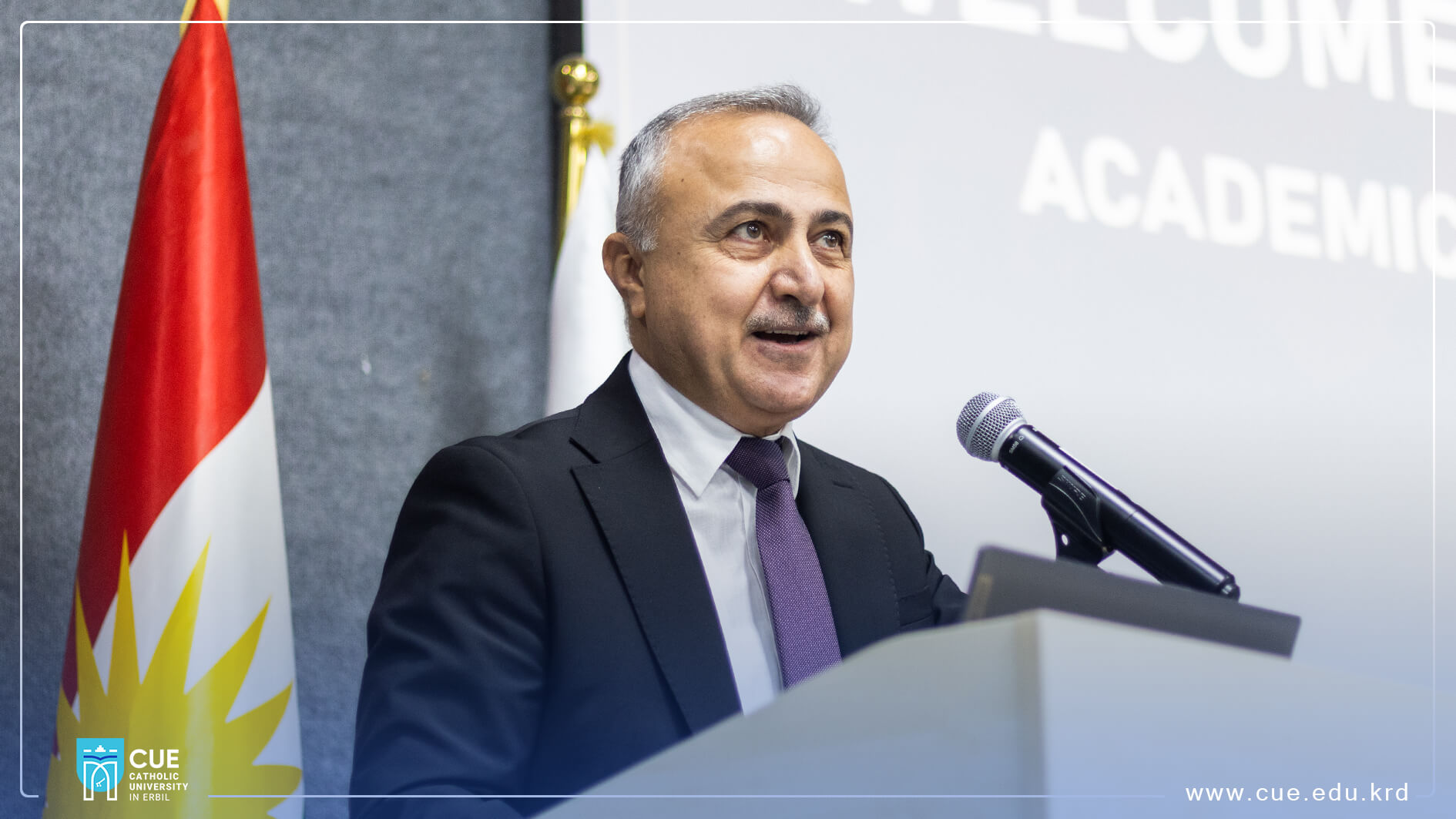
In an engaging and introspective seminar, Dr. Rukhsar introduced students and faculty at the Catholic University in Erbil to the therapeutic potential of literature through a session titled “Bibliotherapy: History, Types, and Applications.” The seminar offered a comprehensive overview of this growing field, blending historical context with practical insights.

What Is Bibliotherapy?
Bibliotherapy is a therapeutic approach that uses reading and writing to support emotional and psychological well-being. Dr. Rukhsar traced its origins, explaining how literature has long been a source of comfort and clarity, evolving into a structured method used in modern therapy and educational settings.
“Books don’t just tell stories—they help people process their own,”
– Dr. Rukhsar Nadhm, The Catholic University in Erbil
Two Main Types of Bibliotherapy
The seminar introduced participants to two key forms of bibliotherapy:
- Prescriptive Bibliotherapy: Involves recommending specific texts that align with a person’s emotional needs or therapeutic goals—such as using fiction to support grief processing or self-help books to manage anxiety.
- Creative Bibliotherapy: Encourages individuals to write reflectively, often through journaling or storytelling, as a way of expressing and healing personal experiences.

Applications Across Settings
Dr. Rukhsar emphasized the versatility of bibliotherapy, explaining how it can be integrated into:
- Individual therapy sessions, offering a non-invasive, personalized approach
- Group workshops, where shared readings spark dialogue and empathy
- Educational environments, where reading and writing support students’ emotional growth and resilience
The session also highlighted how bibliotherapy is particularly useful for addressing stress, anxiety, self-awareness, and personal development—offering a low-cost, accessible complement to traditional therapy.
Looking Ahead
By introducing bibliotherapy as a valuable tool for emotional well-being, the seminar encouraged participants to consider literature not only as a source of knowledge, but also as a medium for healing and transformation.
As mental health continues to be a priority within educational institutions, this seminar reflects CUE’s broader commitment to exploring innovative, human-centered approaches that support the holistic development of students and educators alike.
Share
Search
Latest News

Categories
Follow Us
