

The Foundations of Democracy: Exploring Democratic Principles in Education

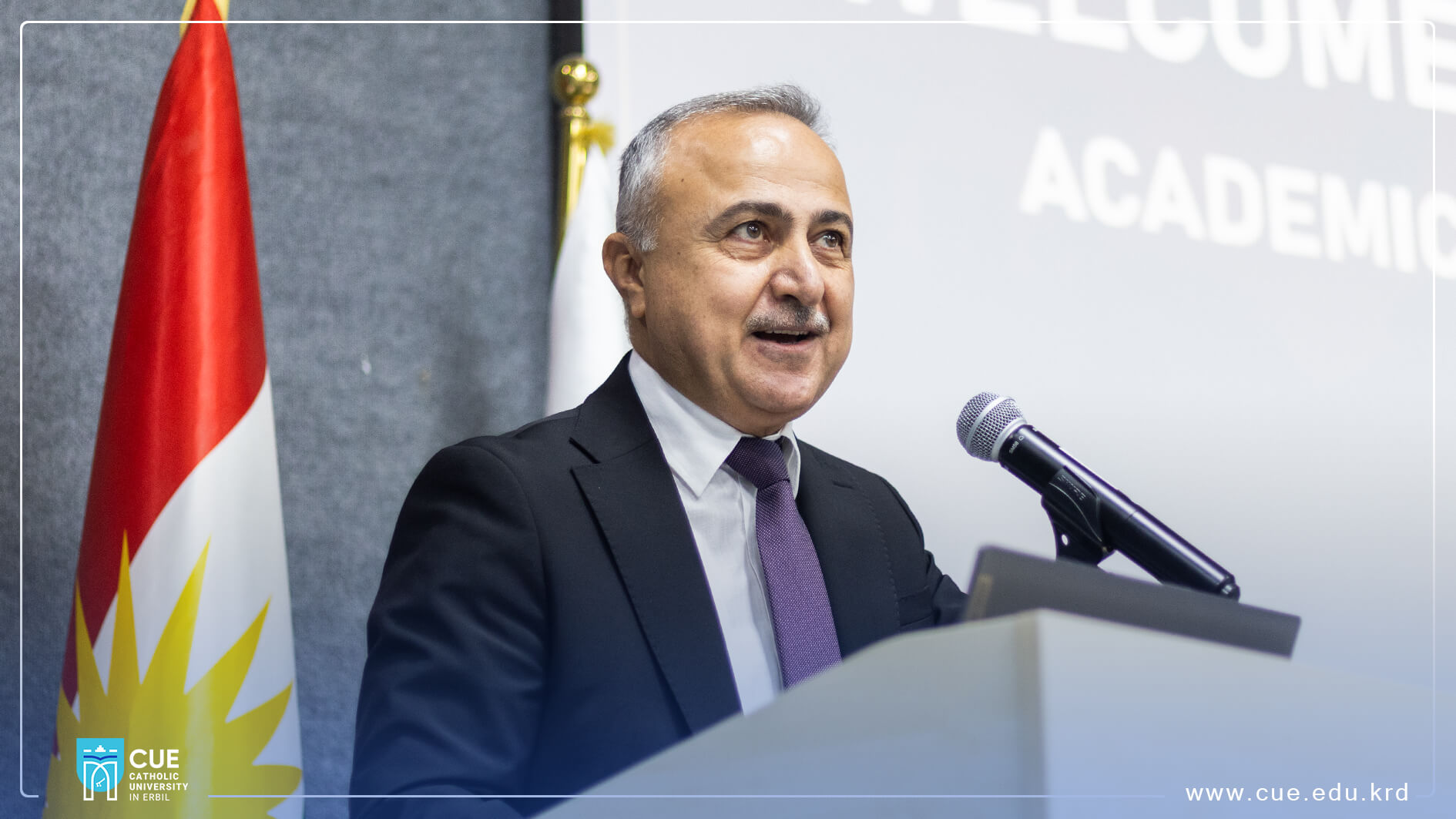
In a thoughtful and timely seminar titled “The Foundations of Democracy,” Mr. Muhammad Sharif Ebrahimi, from the Department of International Relations, guided students and faculty through the core principles that underpin democratic systems—and how these can be meaningfully applied in everyday educational settings.

Democracy Begins in the Classroom
Rather than focusing solely on institutions or elections, Ebrahimi framed democracy as a set of values and practices that should be cultivated through education. He emphasized the importance of embedding critical thinking, freedom of expression, and creative exploration into classroom culture.
“If we want a more democratic society, we must first nurture democratic habits in our learning environments.”
Muhammad Sharif Ebrahimi, Department of International Relations, The Catholic University in Erbil
Core Elements of Democratic Practice
The seminar outlined foundational democratic principles, including:
- Participation and representation
- Rule of law and accountability
- Respect for rights and diversity
- Active civic engagement
Ebrahimi discussed how these principles are not isolated; they function as an interconnected system that requires the collective effort of individuals, institutions, and communities to thrive.

Techniques for Fostering Democratic Culture
Bringing theory into practice, Ebrahimi shared techniques for promoting democratic engagement within classrooms:
- Encouraging open dialogue and respectful disagreement
- Creating space for student-led discussions and initiatives
- Supporting independent thinking and self-expression
- Modeling fairness, inclusion, and accountability in teaching practices
“Democracy is not only about voting,” Ebrahimi noted. “It’s about how we communicate, how we listen, and how we build shared understanding.”
Looking Ahead
The session concluded with a call for students and educators to see themselves as active contributors to democratic culture—not only in political systems, but in everyday interactions and academic environments. By embracing these principles early, students are better prepared to lead with integrity and engage thoughtfully with the world around them.
This seminar reflects CUE’s ongoing commitment to civic education and critical inquiry, reinforcing the university’s role in shaping informed, engaged citizens.
Share
Search
Latest News


Categories
Follow Us
