

The Internet of Things: Transforming Daily Life Through Connected Intelligence

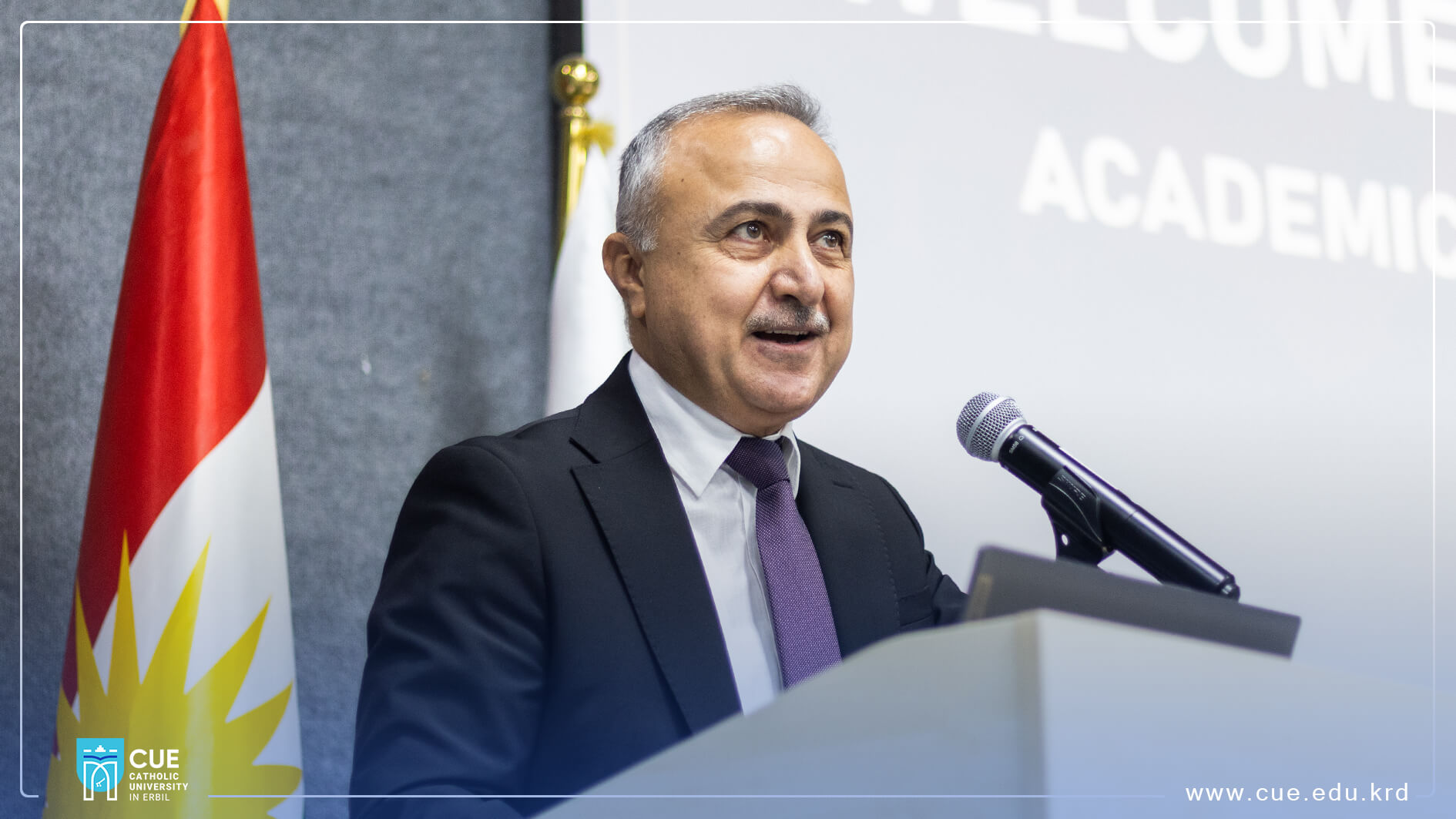
In a forward-looking seminar titled “The Internet of Things: Transforming Our Daily Life,” Asst. Lecturer Dona Franci introduced students and faculty at the Catholic University in Erbil to the sweeping impact of one of today’s most transformative technologies: the Internet of Things (IoT). More than a technological trend, IoT represents a shift in how societies function—reshaping everything from healthcare to transportation through real-time data, automation, and smart systems.

What Is IoT—and Why It Matters
At its core, the Internet of Things refers to a vast network of interconnected devices—from wearable fitness trackers to industrial machinery—capable of collecting, transmitting, and analyzing data without human intervention. “Imagine a city where traffic lights adjust based on live congestion, doctors monitor patient vitals remotely, or homes respond automatically to your routines,” Franci explained. “That’s IoT in action.”The numbers are striking: more than 18.8 billion connected devices exist today, with estimates exceeding 40 billion by 2030. These technologies are no longer experimental—they’re deeply embedded in daily life, industry, and public infrastructure.
Real-World Applications
Franci walked the audience through key areas where IoT is already creating impact:
- Smart Cities: Improving energy efficiency, streamlining traffic flow, and managing waste systems.
- Healthcare: Enabling telemedicine, remote patient monitoring, and faster emergency response.
- Industry 4.0: Powering predictive maintenance, supply chain optimization, and smart manufacturing.
- Home Automation: From smart thermostats to security systems, homes are becoming more responsive and efficient.
“IoT isn’t just changing how we live, It’s changing how we plan, govern, and respond to human needs at scale.”
Dona Franci, Asst. Lecturer at the Catholic University in Erbil
The Challenges Behind the Promise
Despite its promise, IoT raises complex ethical, security, and privacy concerns. With millions of devices continuously collecting data, the risk of cyberattacks, surveillance, and misuse increases. Franci emphasized the need for secure design and transparent data policies, especially as IoT becomes more deeply integrated into public systems and personal lives.
“The same device that makes life easier can also become a vulnerability, innovation must be paired with responsibility.”
Dona Franci, Asst. Lecturer at the Catholic University in Erbil

A Call for Ethical Innovation
The seminar concluded with a call to future developers, engineers, and decision-makers: balance technological advancement with ethical foresight. Franci challenged students to think beyond efficiency and connectivity toward questions of inclusion, accountability, and digital rights.
Key Takeaways
- IoT is already here: Connected devices are deeply embedded in health, industry, cities, and homes.
- Data is power—and risk: While real-time data can optimize systems, it also introduces privacy and cybersecurity challenges.
- Ethics matter: Developers must prioritize user safety, data transparency, and inclusive access.
- Students have a role: The next generation of technologists will shape how responsibly IoT is integrated into society.
Looking Ahead
With its sweeping scope and potential, the Internet of Things stands not just as a technological evolution, but a societal transformation. Through this seminar, Dona Franci offered more than a technical overview—she provided a roadmap for understanding, applying, and questioning IoT in ways that serve the public good.
As CUE prepares students for an increasingly connected future, sessions like this help ensure they graduate not only with technical skills, but also with the ethical awareness to use them wisely.
Share
Search
Latest News


Categories
Follow Us
